

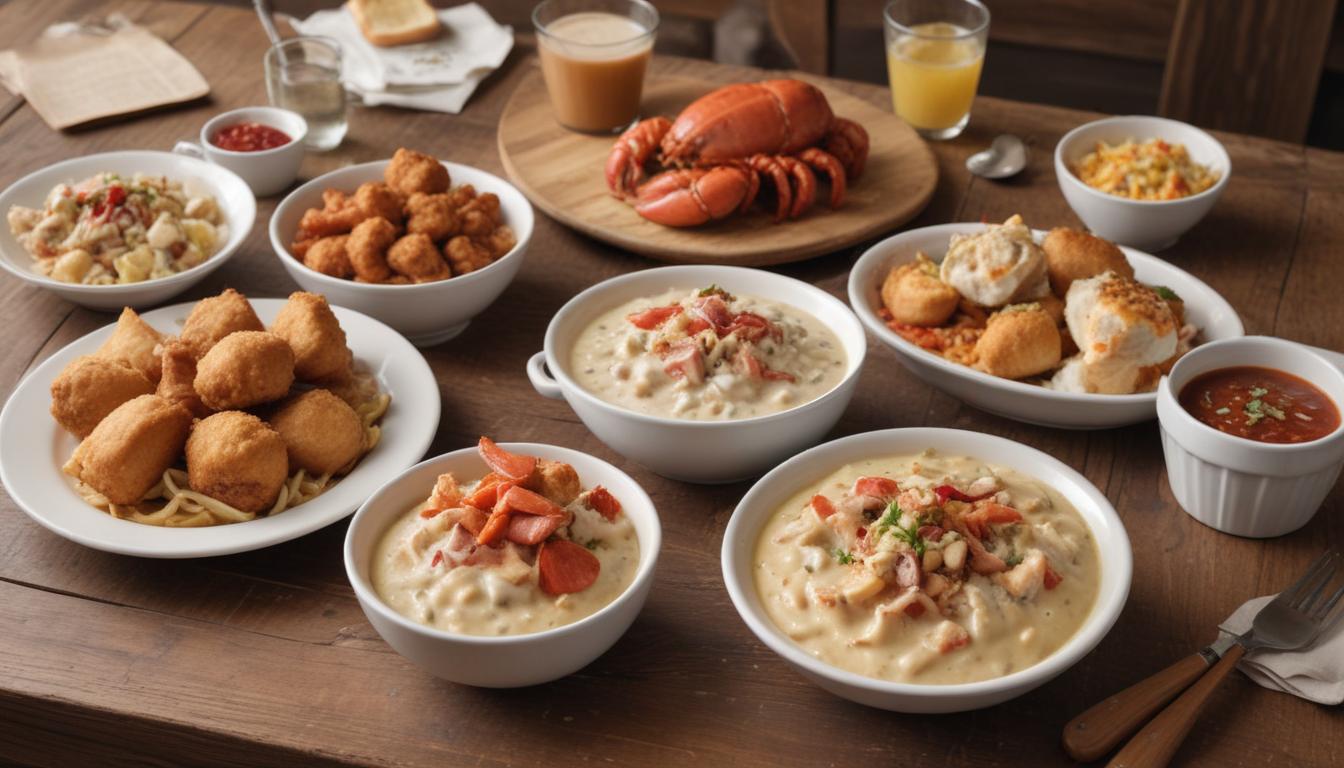
Exploring the Culinary Landscape of the United States
New England Cuisine
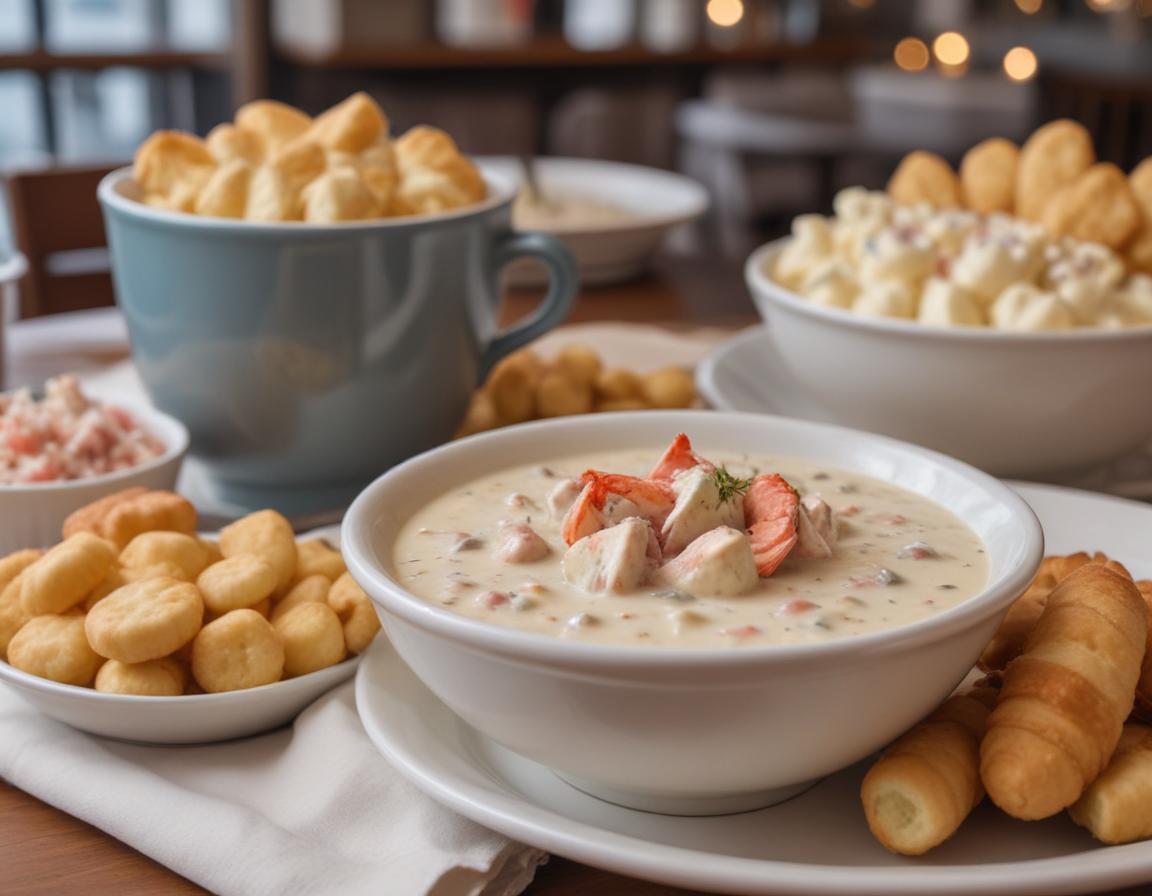
New England, a region steeped in maritime history, boasts flavors that encapsulate the essence of the sea. Known for its clam chowder, a creamy, hearty soup laden with tender clams, and luscious lobster rolls filled with fresh lobster meat and butter, this region celebrates local seafood like no other.
The geography of New England plays a central role in shaping its diet. The cold, rocky coasts offer some of the best shellfish in the world, while the long winters inspire warm, filling meals. Historical traditions, influenced by the first settlers and Native American tribes, contribute to the culinary identity of this region. Seasonal ingredients and simple preparation methods further allow the natural freshness of the food to shine.
Whether you’re enjoying a hot bowl of chowder in a quaint seaside town or savoring a succulent lobster roll at a summer festival, New England food carries whispers of centuries-old culinary legacies.
Southern Cuisine
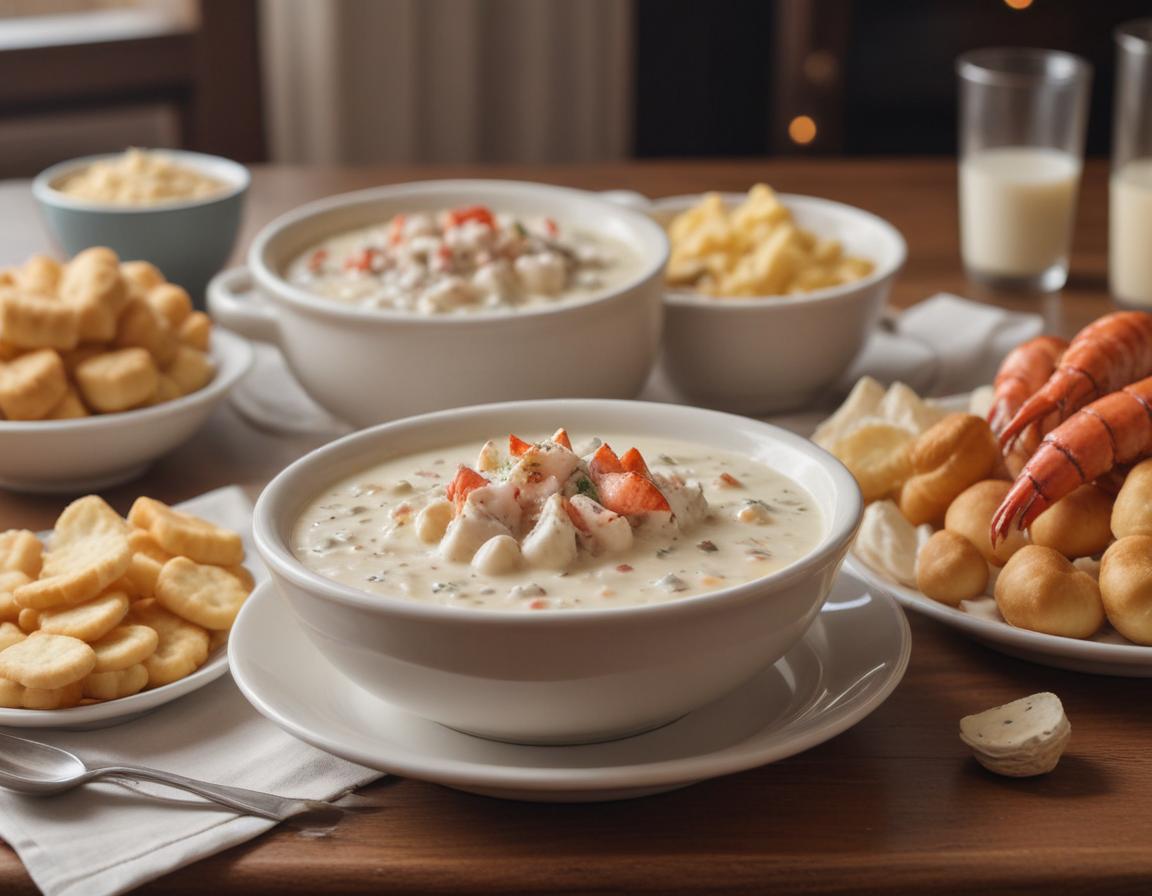
In the Southern United States, cooking tells the story of the land’s rich cultural tapestry. Known fondly as the epicenter of comfort food, the South offers indulgent dishes that bring people together, such as slow-cooked barbecue, crispy skillet-fried chicken, and perfectly baked cornbread.
The South’s cuisine reflects a blend of African American, Native American, and European influences. Soul food staples like collard greens and black-eyed peas stand out as iconic dishes. Sweet tea, often served in Mason jars, is a refreshing reminder of Southern hospitality.
Southern cooking isn’t just a meal—it’s a shared experience. From family gatherings to summer barbecues, the ritual of sharing food creates connections and preserves culinary traditions that honor the past while celebrating community.
Midwestern Cuisine
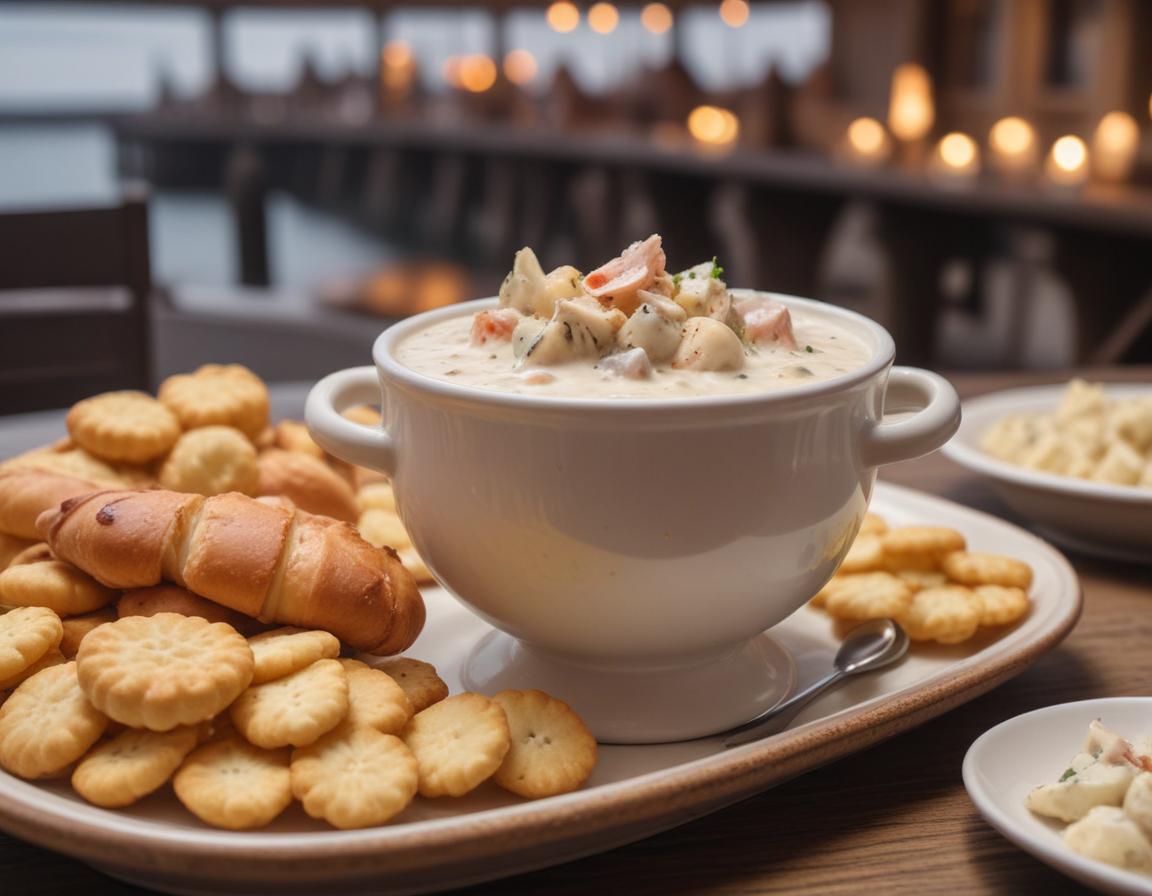
Known as America’s breadbasket, the Midwest’s cuisine revolves around hearty, unpretentious dishes. Farmers and settlers shaped these meals, relying on the abundance of grains, beef, pork, and dairy from fertile lands.
Iconic dishes such as meatloaf, deep-dish pizza, and casseroles are staples on Midwest dinner tables. Food traditions like foraging and preserving ingredients continue to thrive in the region, connecting generations through recipes and celebrations tied to agricultural harvests.
Midwest cuisine embodies more than sustenance—it reflects the region’s industrious spirit, grounded resilience, and an enduring sense of home.
Southwestern Cuisine
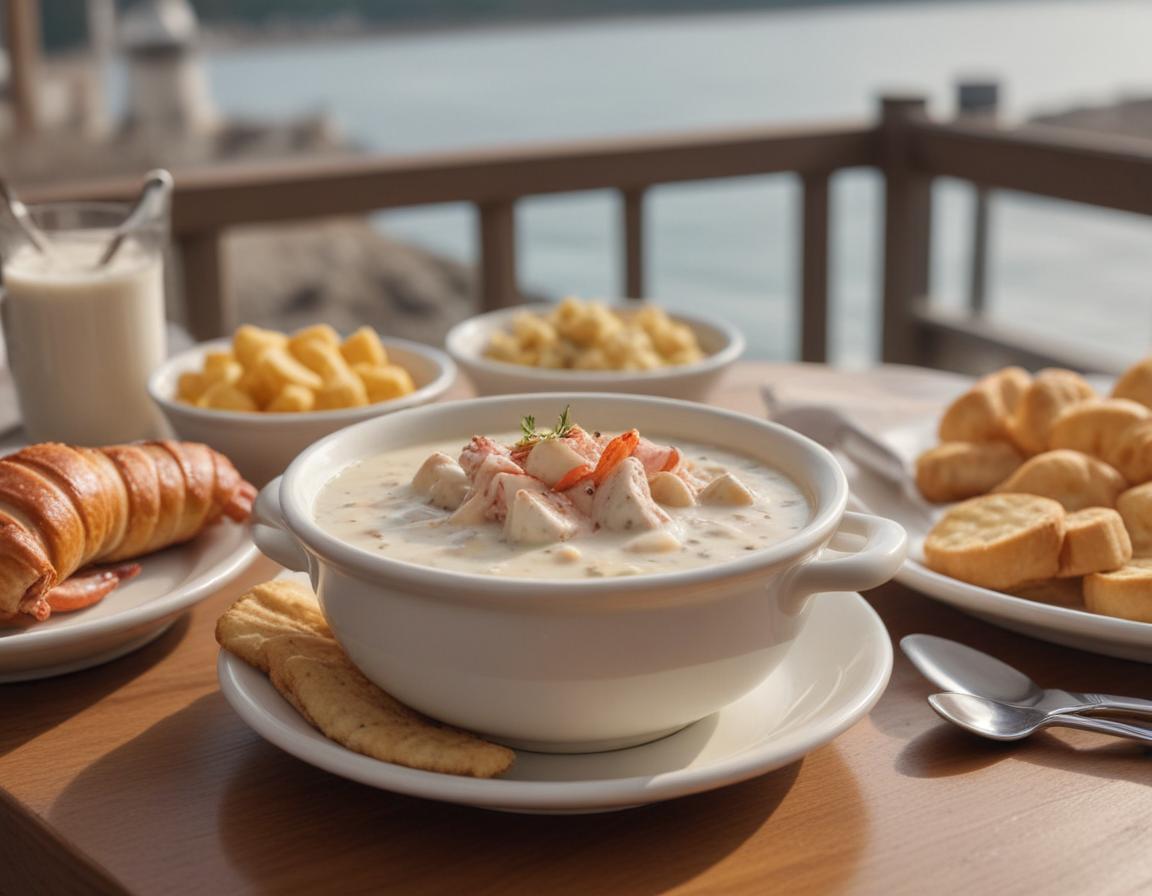
The Southwest is a hub for bold, unforgettable flavors that honor Mexican and Native American influences. Staple ingredients like spicy chili peppers, corn tortillas, and hearty beans form the foundation of this region’s vibrant cuisine.
Signature dishes include chili-infused tacos, enchiladas, and tamales. Southwestern meals often bring people together, whether they’re shared under desert stars or at lively cultural festivals.
The unique ingredients of the arid landscape, such as agave and nopales (cactus), also contribute to the culinary tapestry. From guacamole to loaded nachos covered in cheese, Southwestern food is a celebration of flavor, passion, and artistry.
West Coast Cuisine
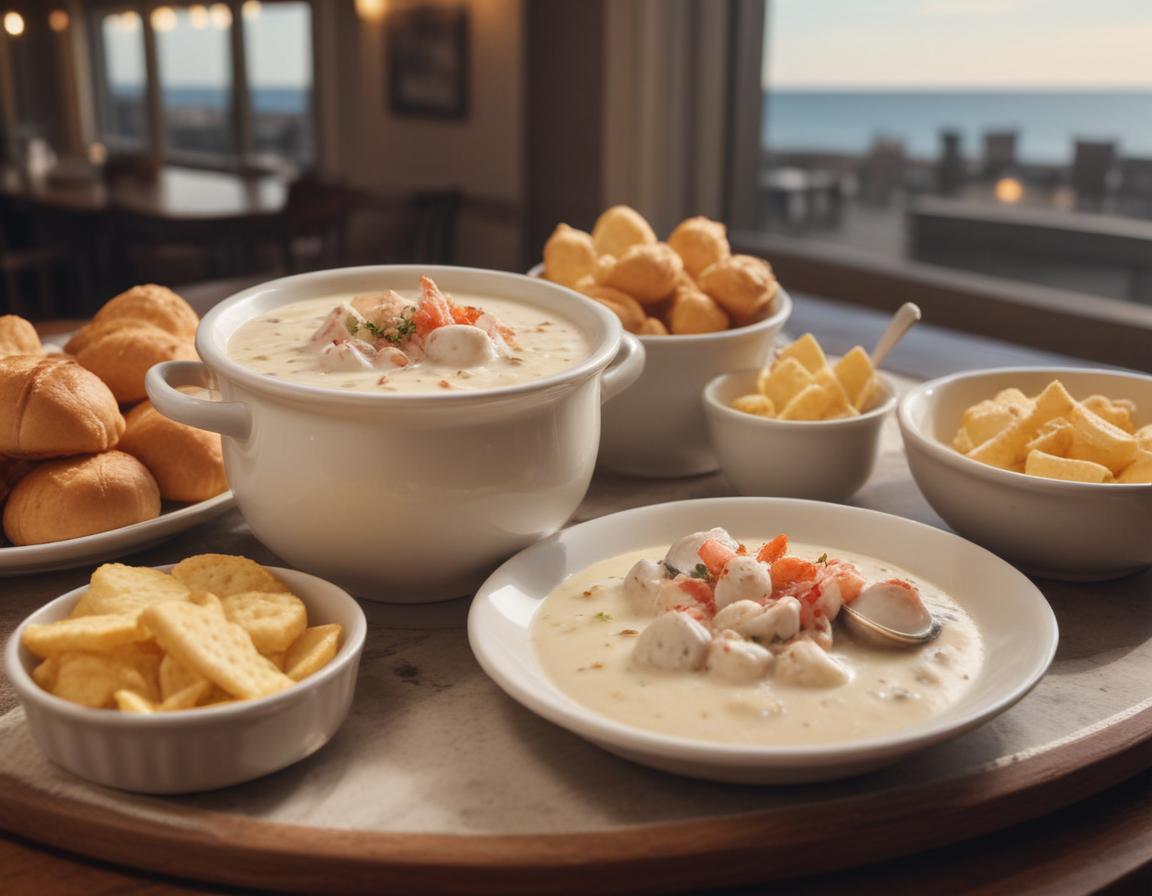
Freshness is the mantra of the West Coast. Farm-to-table dining isn’t just a movement here—it’s a lifestyle. The abundance of coastal farms inspires a menu filled with rich vegetables, fruits, and seafood.
Influences from vibrant Japanese-American communities are seen in the popularity of sushi, while grilled salmon and avocado toast showcase the region’s creative health-conscious choices. With its focus on sustainability, West Coast cuisine is both innovative and globally inspired.
Pair your dish with a glass of Napa Valley wine, and you’ll truly understand the essence of blending local produce, creativity, and cultural influences into every dish.
Evolution of American Drinks
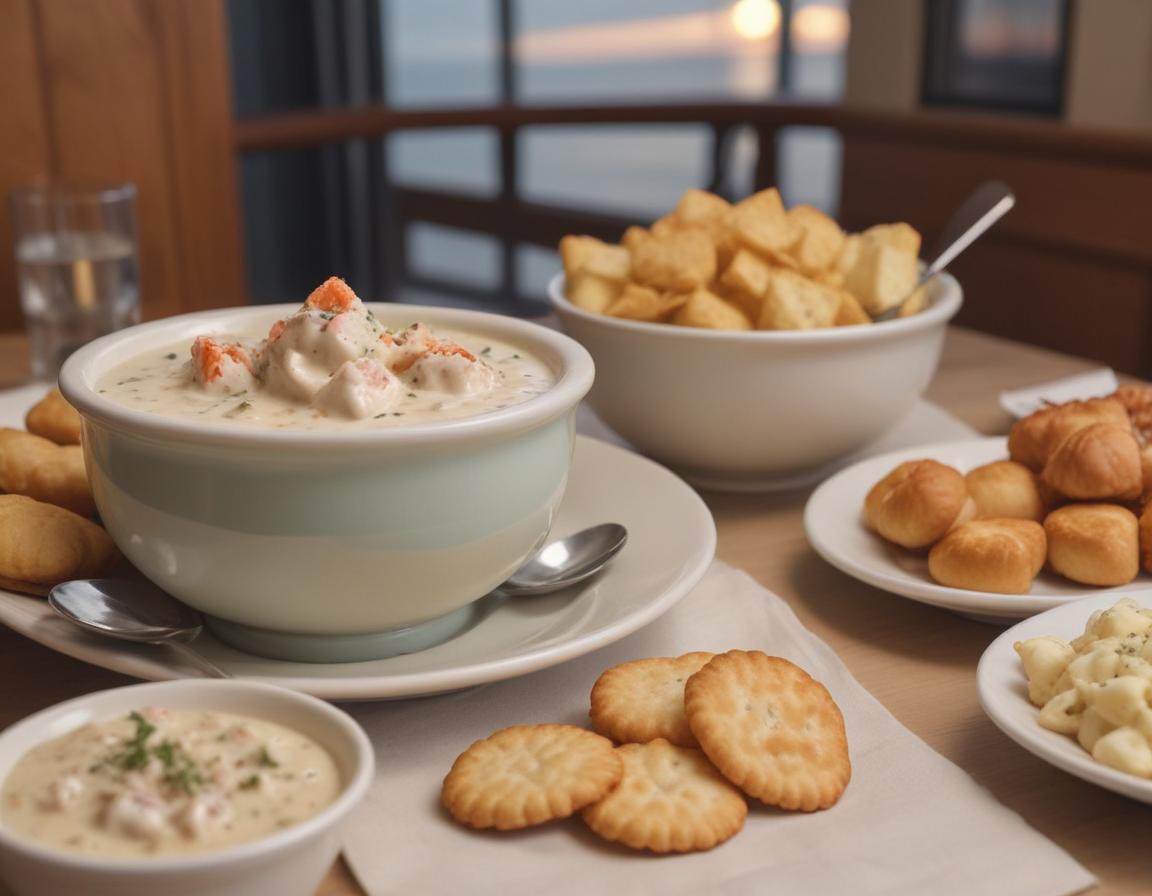
Complementing America’s diverse cuisines are its equally varied and storied drinks. Classic cocktails, like the Manhattan and Old Fashioned, stand alongside innovative craft beers and artisan coffees as examples of America’s evolving drink culture.
Beverages like Kentucky bourbon and Napa Valley wines celebrate regional flavors, while the rise of mocktails caters to modern non-alcoholic trends. Beyond being drinks, these beverages serve as symbols of community and vehicles for cultural expression.
“`